Pavilion 01
The Doctor's Dilemma, Reimagined
When AI inherits the vanity trap — and why humility beats genius in the field.
Pavilion 02
The Sensorial Hospital
What if rooms could participate in healing, not just contain it?
Pavilion 03
Biointimacy: The Skin as Sensor
The line between helpful presence and invasive monitoring.
Pavilion 04
Biometrics as Ritual
From data to ceremony — when tracking becomes meaning-making.
Pavilion 05
CX Meets Clinical Reality
When feeling good isn't the same as getting better.
Pavilion 06
The AI Mirror
Evidence, empathy, and the problem of unearned confidence.
Pavilion 07
The Built Environment as Nervous System
Architecture that breathes with us.
Pavilion 08
Fusion Skills & the Gentle Technologist
What it means to know how to touch AI.
The dock
Every pavilion started as a question someone brought me. What's yours?
Kutuhala Studio presents
Futures Worth Belonging To
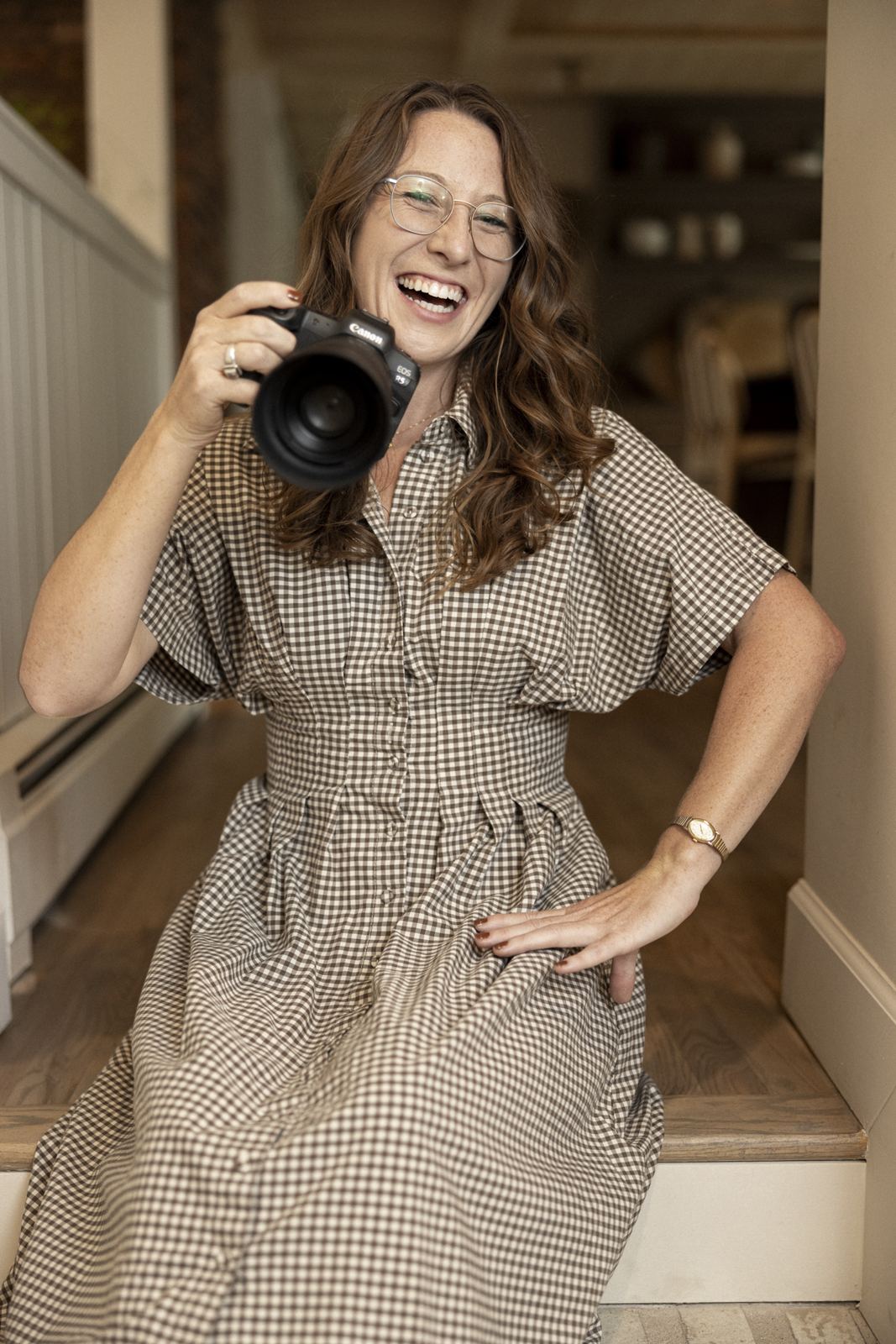
Eight pavilions on the gap between what we build and what people need. A floating exhibition by Christine Galligan.
Evidence and emotion, in equal measure
The studio
Where the questions get handled.
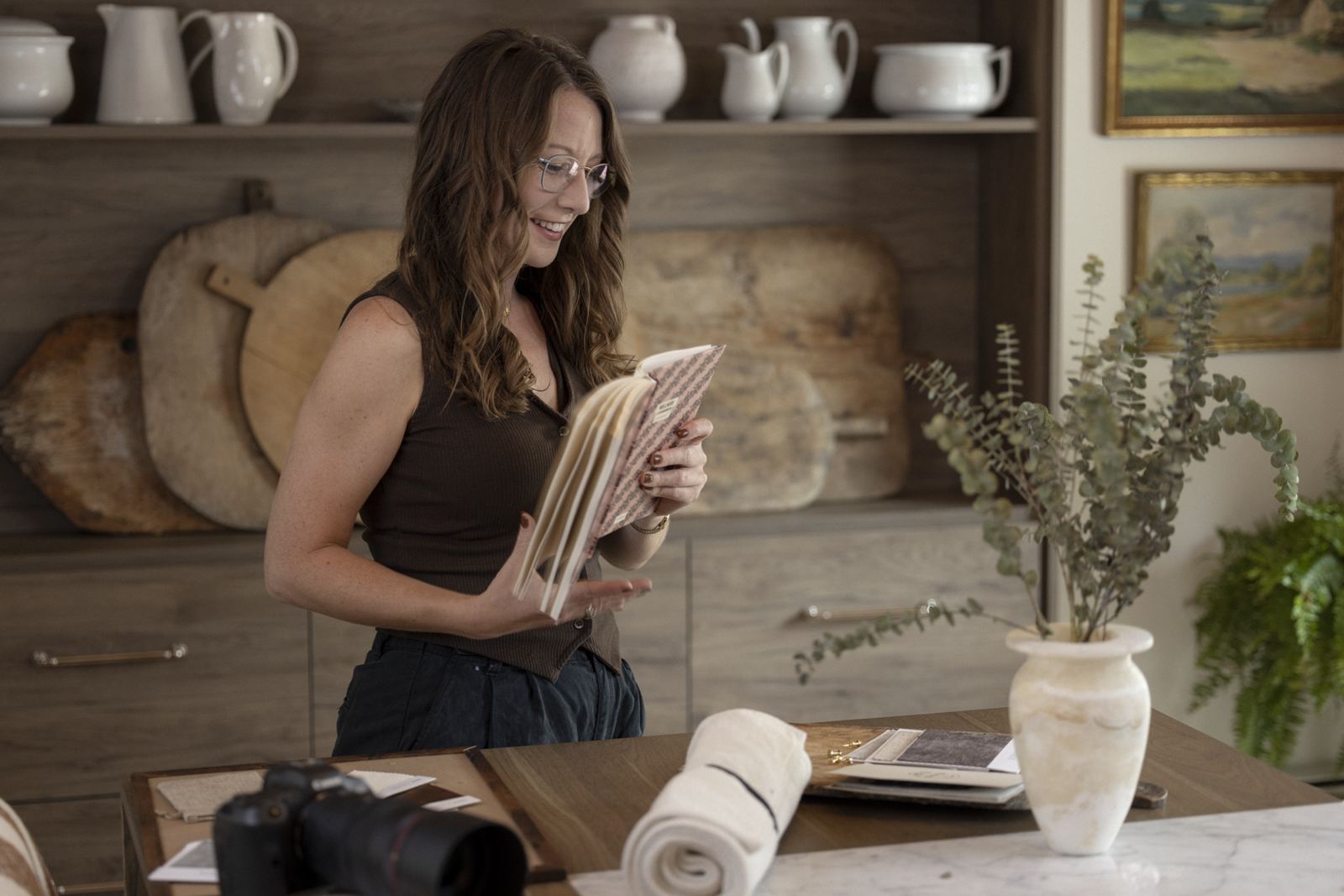
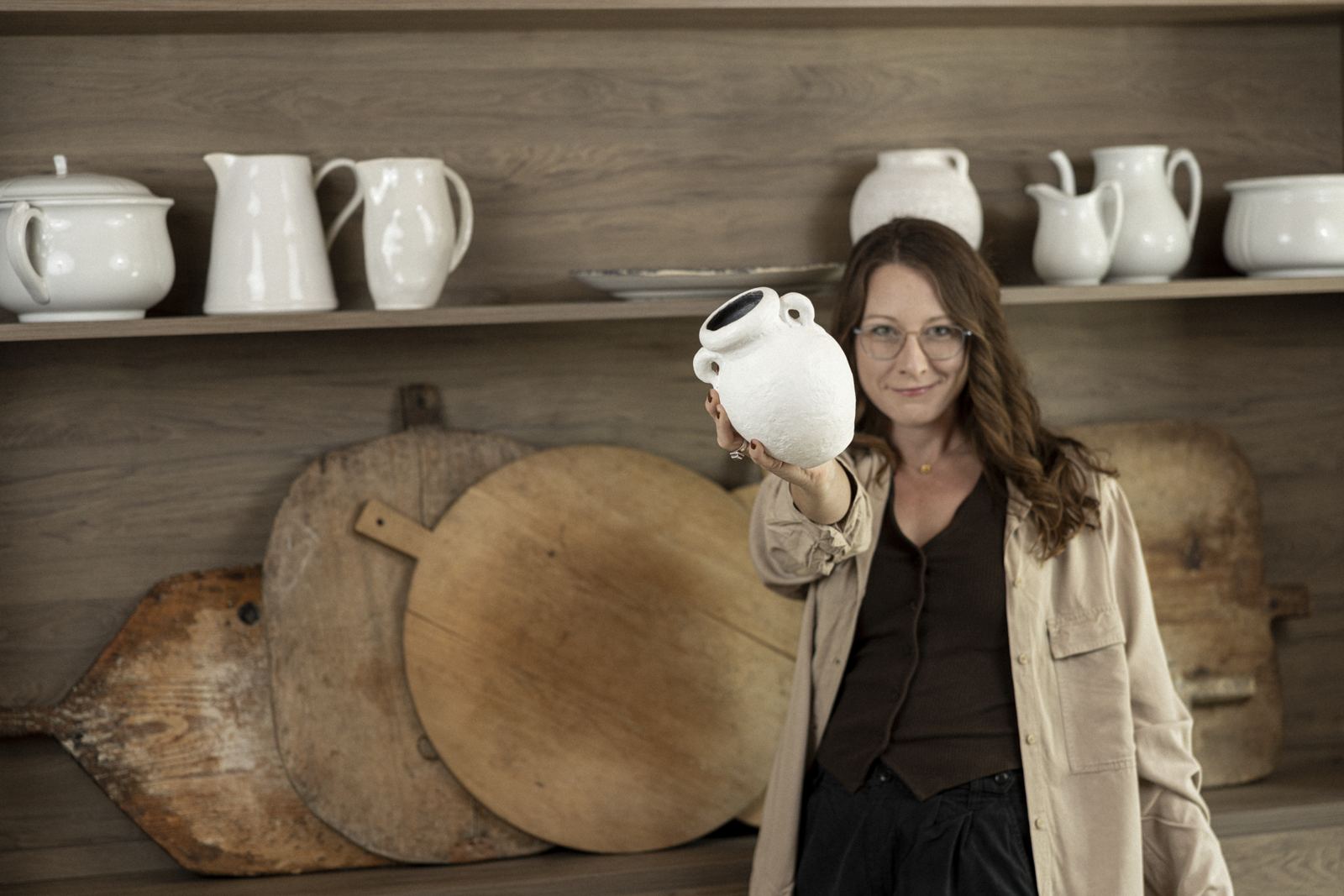
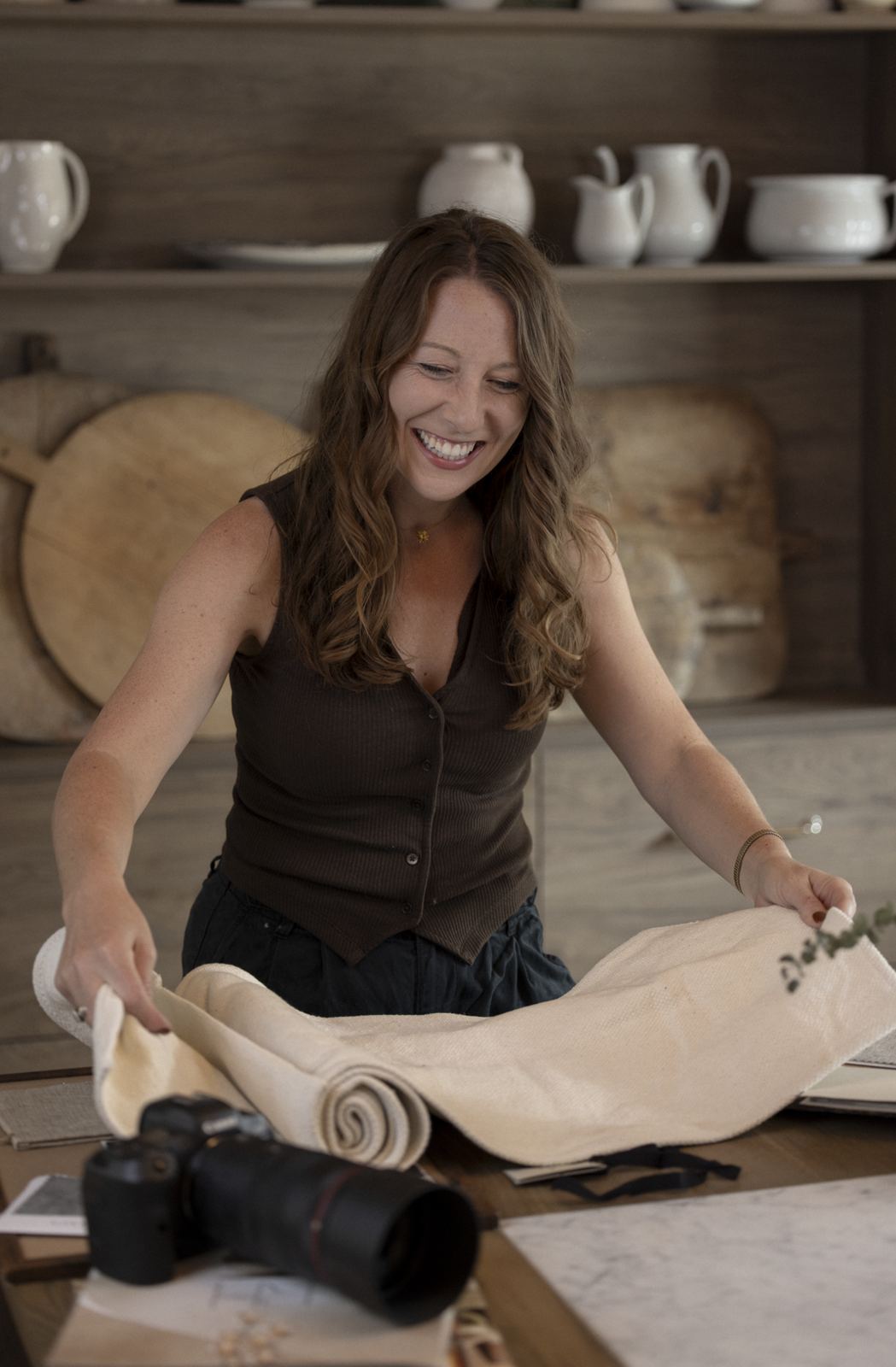
Swatches, ceramics, field notes, and a camera within reach. Research works better when you can touch it.

Christine & Co.
Four practices. One habit.
The Co. isn't staff — it's the other things I do. They look unrelated until you notice they're the same move: paying attention to what people can actually do when capacity runs out.
- 01 · ResearchObservation, structured.IRB-approved longitudinal studies, ethnography, and human-factors work built to hold up under review.Four open questions
- 02 · PhotographyObservation, visual.The camera I carry into the field, and commissioned work. A photograph settles arguments three meetings couldn't.From the field
- 03 · ProductObservation, made useful.SOMA — patent-pending biosensing. Support that arrives as capacity narrows, without adding a task.somatag.com
- 04 · WritingObservation, in public.Field Notes — essays on trust, regulation, and adoption, for people building what comes next.Read Field Notes
Research
Four questions I keep returning to.
The gap between what we can build and what people want to live with isn't technical. It's neurobiological.
- 01
Emotionally intelligent systems
Interfaces that respond to human states and strengthen judgment rather than replace it. How do you personalize without surveillance? A nurse who gets burned once by a confident system stops trusting the accurate ones too.
- 02
Healthcare and aging futures
Most people intend to age at home, and payment models are pushing care the same way. The grab bar goes in after the fall. The house is the last thing anyone designs.
- 03
Neurodiversity and emotional regulation
Sensory and cognitive difference as a design input from day one, not an accommodation bolted on later. A system that assumes a steady hand and a quiet room excludes most people on most days.
- 04
Adaptive technologies for daily living
Medication, mobility, cognitive scaffolding, and the invisible work that holds a day together. The pill organizer on the counter is the real interface.
MethodsEthnographic research · Generative research · Concept testing · Systems mapping · Scenario planning · Trends mapping · Competitive analysis · Future-state visualization
CompetenciesSystems strategy · Human-centered design · Qualitative and quantitative research · Applied AI · Healthcare domain · Leadership
Photography
Christine Mary Photography.
Photography is one of the research methods, not a sideline. People describe the version of their life they can narrate. The room shows the version they actually live in.



Chaco × Sip Clip — shot on location. The dog was not in the brief.
Commissions and collaborationsThe Reading Room
Take something home.
Free field tools and frameworks from the studio. Use them, share them, and tell me what you change.
Field tool · 1 page
Room Setup Worksheet
Redesign one room around fluctuating capacity. A room can hold cues, reduce choices, and protect return.
Download PDFField tool · 4 pages
Executive Function Field Map
Twelve hidden demands behind ordinary routines — and where the room can carry part of the weight.
Download PDFField paper · 17 pages
Designing Systems That Feel
A strategic futures approach to emotionally intelligent AI in complex care, with six principles for tender technology.
Download PDFFramework · 27 pages
The Resonance Framework
A storytelling tool for innovators building trust, not hype — functional, social, and emotional messaging.
Download PDF
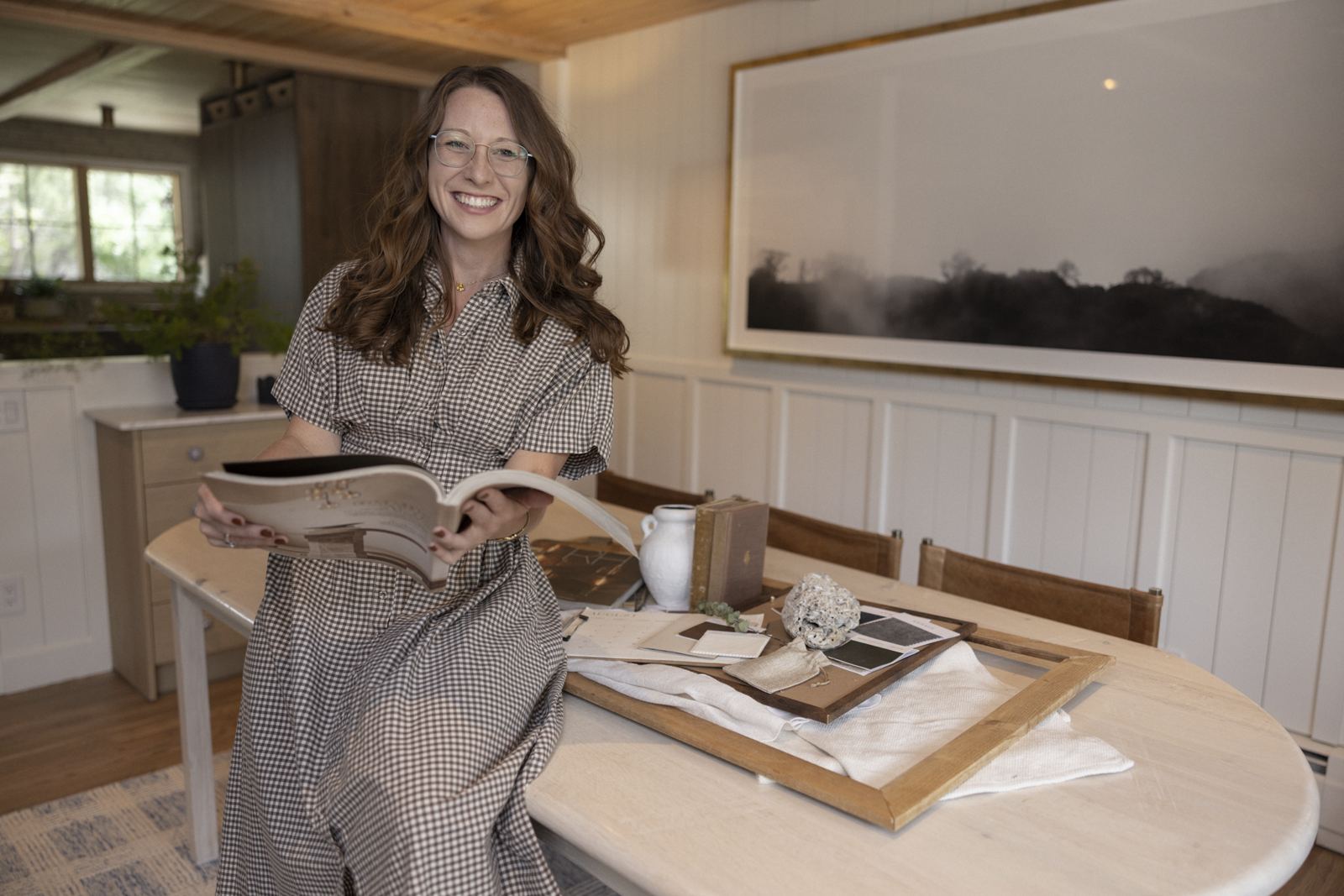
Your guide
Christine Galligan, MHA
I design systems that remember the humanity healthcare keeps forgetting. Across Clemson's Center for Success in Aging, CVS Health, Philips, Novant Health, and now SOMA Systems, two theses have held: environment regulates physiology as powerfully as medication, and participation is impossible when the system is illegible.
Research and field papers go out under Kutuhala Studio — Sanskrit, roughly, for the desire to understand. I also run Hacky Snacky, a monthly edge-computing meetup in Boulder, and I'm forming the Umwelten Institute.
Futures Worth Belonging To is the studio's series. It lives in Field Notes today; Season 1 of the podcast is in production. Photography commissions, speaking, and short notes all welcome.
Fifteen years with
Clemson · Prisma Health · Novant Health · Philips · CVS Health · The Linus Group · NSF I-Corps · GSK · Codexis · ALPCO
From the logbook
- 2020–21CIRCAA Scholar — Creating Interprofessional Readiness for Complex and Aging Adults, Virginia Geriatric Education Center
- 2013–15Calhoun Honors College research grant for caregiver HRV work at Greenville Health System; presented at Clemson's Focus on Creative Inquiry forum
- 2017–18ACHE administrative fellow, Novant Health — $180K grant for ER peer recovery coaches
- 2022GSK — consumer and prescriber research across a pain-relief portfolio (Advil, Panadol, Voltaren, Excedrin): three audiences, three positioning statements
- 2021Codexis — a three-to-five-year roadmap for engineered enzymes across genomics, diagnostics, and mRNA manufacturing
- 2021ALPCO — beachhead sizing for advanced stool diagnostics, and reframing a category customers read as fringe
- TrainingMIT CSAIL HCI & UX · IDEO design thinking · CITI human subjects research
What collaborators say
"Christine was a thought partner from ideation to execution — instrumental, especially because of her expertise in research methods."Digital health founder
"Her ability to articulate the business and clinical implications of cutting-edge technologies makes her an invaluable collaborator in aligning AI capabilities with healthcare objectives."CEO, AI healthtech startup
"A thoughtful listener and a persuasive communicator, capable of building consensus and inspiring others to think beyond conventional boundaries."Fortune 500 VP
"She is not one to shy away from complexity; rather, she approaches challenges with tenacity and a genuine excitement to uncover new possibilities."Department director